 Sleep is a restorative process that helps us function physically and emotionally and has a direct effect on our behaviors and in our ability to sustain attention. Sleep gives your body a rest, like a mini-vacation, and helps it prepare for the next day. Sleep is essential to our well-being. Reduced sleep can have a negative effect on our overall functioning throughout the day.
Sleep hygiene involves a number of different steps necessary to have a normal, quality night sleep and subsequently leading to daytime alertness.
Why is a good night’s sleep important for children?
- contributes to both physical and mental health
- helps kids feel good, and do well in school
- plays a role in mood and behavior
- can reduce aggression, hyperactivity, depression and anxiety, and increase attention
How can poor sleep habits affect children in school?
- Decreases ability to stay focused
- Can become easily distracted
- Exhibit hyperactivity
- Can be impulsive
- Show irritability and fussiness
- Increased sleepiness in the classroom
What are the basics of sleep hygiene?
- Routines
- Establish a bed time – based on the child’s age
- Toddlers: 12-14 hours of sleep
- Preschoolers: 11-12 hours of sleep
- School-age children: 10-11 hours of sleep
- Teens: 8-9 hours of sleep
- Limit screen time or high stimulation activities before bed
- Calming bedtime routine
- Engage in activities that promote relaxation such as taking a bath and reading a book
- Child should wake up at the same time everyday
- Bedtime should follow a predictable sequence of events
- Establish a bed time – based on the child’s age
- Security objects such as a doll or a blanket are often helpful for children to feel safe and secure
- Engaging in physical exercise during the day can often help with sleep at night
- Bedroom should be cool and comfortable
- Bedroom should be dark and not too distracting
- Limit bright lights, clocks, and phones
- The bed should be used only for sleeping
- Teenagers often use their beds for homework and TV – this can decrease their ability to go to sleep at night.
- Beds should be associated with sleep
- Consistency is key!
- Stick to your routine
- Predictability is important
What to avoid?
- Drinking many liquids before bedtime
- Caffeine such as sodas, chocolate, tea
- Doing stimulating activities before bedtime
- Using the bed for activities other than sleep
- Putting the child to bed after falling asleep somewhere else
- Staying up past their bedtime
What happens if children come into their parents’ room in the middle of the night?
- Limit attention
- Get them back to their bed as soon as possible
- Minimize conversations
- Do not let them come into the bed
- Walk them back to their room
If the child continues to need comfort to fall asleep, parents can sit in a chair next to their bed until they fall asleep. It is important that children learn to sleep in their bed, and to fall asleep on their own.
When to seek help?
If your child continues to have serious trouble falling asleep and consistent sleep routines are not working, consulting with a pediatrician or a mental health professional can be beneficial to assist in determining the cause and learning techniques to help children relax before bed in order to fall asleep more easily.
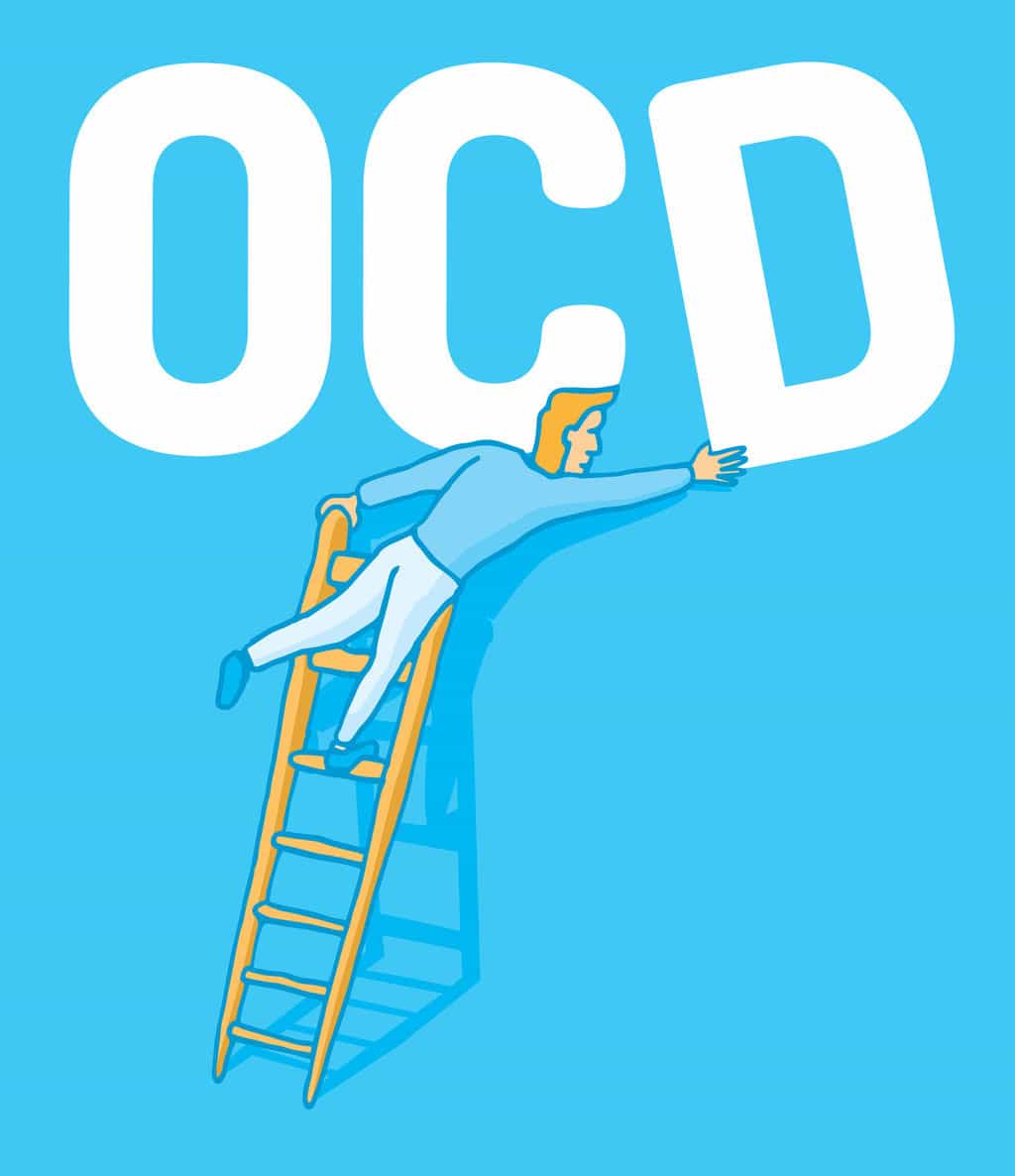 Obsessive-compulsive disorder (OCD) is a long-lasting psychiatric condition which causes impairment in a person’s overall functioning. OCD was once part of the Anxiety Disorders category within the Diagnostic and Statistical Manual of Mental Disorders, 4th edition (DSM-IV) however in the newest edition; DSM-5 OCD has been moved to its own category with other related disorders.
Two characteristics of OCD are:
- Obsessions: unwelcome thoughts/worries, urges, or images that are experienced as intrusive and cause anxiety
- Compulsions: behaviors or mental acts (rituals) that a person feels determined to perform, continually to decrease the anxiety experienced from obsessions
In addition to the presence of obsessions and/or compulsions other key factors of OCD are the amount of time a person is occupied by them and the level of impairment a person experiences.
The behaviors and the amount of difficulties are important to differentiate from a person that is highly organized, fixates over details or is perfectionistic in nature. A person with OCD will exhibit symptoms that are excessive or persistent causing challenges in their everyday routine and impact the quality of their life. This is different than a person who is successful or able to achieve due to their habits. Insight into symptoms varies from person to person.
Children can be impacted by OCD and their symptoms can often continue into adulthood. Children may also have a more difficult time recognizing their symptoms or expressing their troubles. The DSM5 states that females are more impacted than males in adulthood however males are more affected in childhood. Other psychiatric conditions likely may occur along with OCD, most commonly, depression, other anxiety disorders, or tic disorders.
Research shows that Cognitive-Behavioral Therapy (CBT) is the most valid and effective psychological treatment for OCD when symptoms are mild to moderate. CBT is appropriate in conjunction with medication when symptoms are more severe. If left untreated, OCD can significantly impact overall abilities to function easily. OCD cannot be cured however treatment is helpful.
Features for the treatment of OCD include:
- Psycho-education about the disorder provided by the clinician at the start of treatment.
- Exposure and response prevention using a gradual approach (hierarchy) to help a person face their fears and hold back from engaging in a behavior that typically lowers their anxiety (ritual or compulsion). A person learns to get used to the anxious feeling or the feeling is eliminated altogether (called habituation). Exposure exercises occur in and outside of sessions.
- With children incentive programs are useful to increase their motivation, preserve enthusiasm to engage in treatment and reward behaviors when completing exposures.
- Cognitive restructuring is taught to a person to help with changing their faulty thinking related to obsessions and increase useful self-talk.
- Parent training and family participation is important to recognize and reduce accepting or enabling OCD behaviors. Frequently, family members or parents help with behaviors (i.e., make changes in routines or participate in the behavior) in order to provide relief to their loved one.
- Relapse prevention is useful to help plan for bumps in the road after treatment ends. Symptoms may resurface which some people may interpret as a setback. Relapse preventions is to increase awareness for signs of relapse, organize a response and address the concerns before treatment has ended.
Lastly, booster sessions with the clinician, is a positive practice to help if OCD symptoms resurface. Booster sessions assist with reviewing skills and address any issues that arise.
American Psychiatric Association: Diagnostic and statistical manual of mental disorders. 5th Edition. Arlington: American Psychiatric Publishing; 2013.
Freeman,J., Garcia, A., Frank,H.., Benito, K., Conelea,C., Walther,M., & Edmonds (2014). Evidence Base Update for Psychosocial Treatments for Pediatric Obsessive-Compulsive Disorder. Journal of Clinical Child & Adolescent Psychology, 43:1, 7-26.
Mancuso,E., Faro,A., Joshi, G., & Geller, D. (2010). Treatment of Pediatric Obsessive-Compulsive Disorder: A Review. Journal of Child and Adolescent Psychopharmacology, 20, 299-309.
Wagner, A. (2003). Cognitive- Behavioral Therapy for Children and Adolescents with Obsessive-Compulsive Disorder. Brief Treatment and Crisis Intervention; 3:3, 291-306.
 Oppositional Defiant Disorder (ODD) is characterized by symptoms and behaviors that fall into three different categories including:
- Angry/Irritable Mood – often losing temper, being easily annoyed, often being angry and resentful
- Argumentative/Defiant Behavior – arguing with authority figures, actively defying or refusing to comply with requests, deliberately annoying others, blaming others for his/her mistakes
- Vindictiveness
In order for a person to be diagnosed with ODD, they must exhibit at least 4 symptoms and/or behaviors that are characteristic of the disorder and these symptoms/behaviors must cause distress to the individual or those close to the individual such as friends, family members, and co-workers. Lastly, ODD can vary in severity from mild to moderate to severe depending on the number of settings in which the individual exhibits symptoms/behaviors.
According to the Diagnostic and Statistical Manual of Mental Disorders, Fifth Edition (2013), the prevalence of ODD ranges from 1% to 11%, with an average prevalence rate of 3.3%. The disorder is more prevalent in males than in females before adolescence, but then evens out in adolescence and adulthood. The first symptoms of ODD often arise during the preschool years with their frequency often increasing during this time and into adolescence. ODD may also precede the development of conduct disorder and increases the risk of developing anxiety disorders and major depressive disorders as well. Risk factors for developing ODD include temperamental factors that lead to emotional dysregulation; harsh, inconsistent, or neglectful parenting practices; and a number of neurobiological markers (e.g., lower heart rate and skin conductance reactivity; reduced basal cortisol reactivity; abnormalities in the prefrontal cortex and amygdala).
What are the most effective and evidence based treatments for ODD?
Due to the stress that this disorder can cause in the individual as well as those around him/her, and the comorbid conditions that may develop such as anxiety and depression, early intervention is crucial. According to the American Academy of Child & Adolescent Psychiatry (2009), Oppositional Defiant Disorder treatment usually includes a combination of:
- Parent Management Training and Family Therapy to teach parents and other family members how to better manage their child’s behaviors through positive reinforcement of appropriate behavior and consistent discipline strategies.
- Cognitive Problem-Solving Skills Training to teach children more appropriate ways of handling stressful situations.
- Social Skills Programs and School-Based Programs to teach children how to interact appropriately with peers and improve their schoolwork.
- Medication to help manage the more distressing symptoms as well as symptoms due to comorbid disorders such as anxiety and depression.
According to Comer, et al. (2013) behavioral treatments that target behavior problems indirectly through helping parents develop different parenting techniques with the goals of increasing in-home predictability, consistency and follow through, and effective discipline have been the most studied forms of psychosocial treatment for ODD. These treatments help parents end negative coercive cycles through helping them increase positive attention for appropriate behaviors, ignore negative attention-seeking behaviors, and provide consistent time outs for noncompliance. Some of these best practices include:
- Parent-Child Interaction Therapy (PCIT) – Designed for children between the ages of 2 and 7 years-old that focuses on developing a secure attachment between the parent and child by teaching parents how to use positive attention to increase positive behaviors and consistent limit setting to decrease negative behaviors. Sessions include teaching of the skills with live coaching through a one-way mirror. Results include more positive parent-child interactions with increased compliance, social skills, language use, confidence and emotional regulation.
- Incredible Years – Designed for children up to 12 years-old and includes:
- A parenting program focused on strengthening parent-child interactions and attachment, reducing harsh discipline and fostering parents’ ability to promote children’s social, emotional, and language development.
- A child program focused on strengthening children’s social and emotional skills, such as understanding and communicating feelings, using effective problem-solving strategies, managing anger, practicing friendship and conversational skills, and behaving appropriately in the classroom.
- A teacher program focused on strengthening teachers’ classroom management strategies; promoting student’s prosocial behavior, emotional self-regulation and school readiness; and reducing children’s classroom aggression and noncooperation with peers and teachers.
- Triple P-Positive Parenting – For children up to 13 years-old that focuses on teaching parents simple and practical strategies to help them confidently manage their children’s behavior, prevent problems from developing, and build strong, healthy relationships.
- Helping the Noncompliant Child (HNC) – A skills-training program aimed at teaching parents how to obtain compliance in their children ages 3 to 8 years old.
As this is not an all-inclusive list of treatment options for ODD and research is continually being done in order to identify current best practices, it is important to keep an eye on the literature in order to ensure that the best approach is being used. Although having a child with ODD can be stressful and trying, as one can see, there are a lot of treatment options that have been identified as being highly effective in decreasing oppositional and disruptive behaviors and therefore progress can be made.
The following resources were utilized in the development of the above:
American Psychiatric Association. (2013). Diagnostic and Statistical Manual of Mental Disorders (5th ed.). Washington, DC: American Psychiatric Publishing.
American Academy of Child & Adolescent Psychiatry. (2009). ODD: A Guide for Families. Retrieved from https://www.aacap.org/App_Themes/AACAP/docs/resource_centers/odd/odd_resource_center_odd_guide.pdf.
Comer, J.S., Chow, C., Chan, P.T., Cooper-Vince, C., & Wilson, L.A.S. (2013). Journal of the American Academy of Child and Adolescent Psychiatry, 52(1), 26–36. doi:10.1016/j.jaac.2012.10.001.
 Mental health in early childhood is not given the awareness it merits as a contributing factor to human development. The National Scientific Council on the Developing Child at Harvard University has written a paper and created a video that stresses the significance of early childhood mental health. The report Establishing a Level Foundation for Life: Mental Health Begins in Early Childhood: Working Paper No. 6. emphasizes the importance of focusing on this area. Below are some noteworthy key points from the paper.
1. Emotional well-being early in life is central to development
Mental health plays a role in growth, achievement and learning, coping, behaving and building meaningful relationships in all facets of life, starting in early childhood. Mental health is as important as developmental milestones which receive far greater attention. Without emotional well-being all other aspects of growth may have shortcomings to reach full potential. The authors eloquently state that “sound mental health provides an essential foundation of stability.” This emphasizes that mental health early on in childhood positively or negatively is impacted by experiences and relationships which influences functioning and development.
2. Nature, Nurture, Stress and the Brain
The dynamics between genes and experiences contribute to development and mental health. Genetics do not determine the entire outcome for a child. Genes are like a map that can give awareness to susceptibilities. Positive relationships and early experiences can serve as a protective factor against susceptibilities. Negative early experiences and exposure to stressful situations (i.e., abuse, neglect, and violence) increases the risk for mental health difficulties. More specifically, interactions between genes and persistent negative experiences can increase a child’s vulnerabilities, when they exist, and lead to later problems. Additionally, stress in early childhood can impact a growing brain which can lead to mental health problems later in life. Long term stress creates physiological changes, even in young children, and if they do not have supportive relationships that serve as protection, brain development is at a disadvantage. Early experiences and stress have an impact on brain development, relationship and skill development as well as physical health.
3. Mental Health problems and Young Children
Mental health challenges can occur early on in a child’s life. There are differences in behaviors and symptom presentation contingent on age however young children can have difficulties too. The authors share that there have been advances in identification for early age onset of mental health disorders yet challenges still exist with young children. Young children may present with a multiple of problems similar to older children (example: anxiety and bedwetting or irritability and noncompliance) or single temporary behaviors.
4. Prevention and Early Identification
Prevention strategies and identifying mental health problems and those at risk for developing mental health problems are crucial. Strategies implemented correctly can positively impact emotional well-being and outcomes over the course of one’s life. Attention to early mental health problems is vital because early interventions with children and families can have a large impact on future development and problems. Challenges do with exist with early identification given developmental differences seen during stages of growth. However, when interventions, strategies and skills are not implemented as problems begin in early childhood they can lead to more serious problems late in life.
5. Family Role and Factors
Relationships and surroundings help shape a child. Positive relationships with others especially the adults and caregivers in the early years of life set the tone for psychological well-being. Strengthening a relationship between a parent and child can have a lasting impact. Additionally, the mental health of a parent or caregiver cannot be ignored. Caring for a child is a stressful and rewarding experience. An adult struggling with stress, depression or any other mental health condition can negatively impact their quality and style of parenting. Risk for mental health problems in early childhood will rise when relationships with parents/caregivers are lacking attention, affection and reliability.
6. Therapeutic Help
Assisting a young child with mental health needs is best done through various methods and in different settings. Often for young children a strongly supported approach is to focus on assisting the parents / caregivers. Building the parents ability to nurture and protect if stress occurs will influence the quality of their relationship. Providing support to minimize and cope with stress, increase positive parenting strategies and support their healthy relationships will likely prevent negative outcomes for children.
Manhattan Psychology Group provides coordinated services that can help with assisting families regarding early childhood mental health. We provide:
- Individual therapy for adults
- Parent Child Interactive Therapy (PCIT)
- In home behavioral therapy to help the child/parent relationship and routine
- Individual behavioral therapy to assist a child with skill development
- School consultation and collaboration
Source: National Scientific Council on the Developing Child. (2008/2012). Establishing a Level Foundation for Life: Mental Health Begins in Early Childhood: Working Paper No. 6. Updated Edition. Retrieved from www.developingchild.harvard.edu
Video: https://www.youtube.com/watch?v=L41k2p-YRCs
 “Was that bribery or reinforcement?” is a very common (and valid!) question among many parents of young children. Are you unsure if something you give your child (or say to your child) is considered a bribe or reinforcement? Read on for some clarity!
What is bribery?
Bribery is when something powerful such as money or an object (including an edible item) is given to a person in order to encourage them to engage in a specific behavior or complete an activity or task. Bribery is given before a person exhibits that desired behavior.
What is reinforcement?
Reinforcement occurs when something is given or said to a person when a specific behavior is exhibited that increases the future likelihood that that behavior will occur again in the near future.
Real Quotes from Parents
“I offered my daughter a cookie for doing her homework.” Check to see if this was a bribe or reinforcer by asking yourself, “Did I give the cookie before or after the homework was complete?” If before, it was a bribe, if given after, it was reinforcement. It was given after in this instance and was reinforcement.
“After weeks of unsuccessful potty training, I gave my son M&M’s. I was desperate!” Check to see if this was a bribe or reinforcement by asking yourself, “Did I give the M&M before or after my son eliminated in the potty?” If before, it was a bribe, if given after, it was reinforcement. In this instance it was reinforcement. Even if the child did not eliminate successfully in the toilet, giving the candy after the attempt is a great way to encourage the child to try again next time.
“I bribed my son with a lolly. I need him to sit in the stroller!” Check to see if this was a bribe or reinforcement by asking yourself, “Did I give the lolly before my son was sitting calmly in the stroller or after?” If given beforehand, it would be considered a bribe. If given after the child was sitting down, it was reinforcement. In this instance, it was reinforcement.
Bribing a child has a negative connotation. However, rewarding a child has a very positive connotation. Many parents are rewarding their child’s positive behavior although they sometimes confuse these two terms. Children benefit from external rewards such as small edible items, points or tokens, small trinkets and labeled praise like compliments, in order to engage in appropriate behavior more often. Continue rewarding and reinforcing your child’s appropriate behavior by praising them and/or offering a small goodie after they have engaged in a behavior you would like to see them do again!
 Autism Spectrum Disorder (ASD) is a broad term used to categorize a group of neurodevelopmental disorders that are present from early childhood and affect many aspects of day-to-day functioning. The core features of ASD include
- Persistent deficits in social communication and social interaction
- Restrictive and repetitive patterns of behavior, interests or activities
These symptoms exist on a spectrum, and are diagnosed based on severity and intensity of support required (very substantial support, substantial support, and support). Currently, ASD is estimated to occur in approximately 1 in 68 individuals. ASD disproportionately affects boys; however, the expression of the disorder is often more severe in girls. Despite advances indicating a genetic component, the causes of ASD remain largely unknown at this time.
What is the role of the word spectrum in ASD?
There is a saying that if you’ve met one individual with ASD, you’ve only met one individual with ASD. This is because each individual diagnosed with ASD may present differently and require a different level of intervention.
In the category of persistent deficits in social communication and interaction, some individuals with ASD “requiring very substantial support” may have little or no verbal language. These individuals rarely initiate social interaction, and may not respond to social overtures from others. On the other side of the spectrum, individuals in need of “support” may be able to speak in full sentences, but struggle to engage in reciprocal conversations or to initiate and maintain friendships.
In terms of patterns of behavior, individuals requiring “very substantial support” may engage in self-stimulatory behavior (i.e., hand flapping) that severely limit functioning throughout the day. Behavior that exists on the other end of this spectrum may include difficulty transitioning between activities, as well as organizing and planning.
Overall, it is important to remember that the behaviors in each domain that make up ASD may exist with varying severity and impact on day to day functioning.
What are the most effective and evidence based treatments for ASD?
Regardless of the severity of ASD symptoms, early and intensive intervention is universally considered to be best practice in treatment. Research on ASD intervention is primarily focused in two areas: Applied Behavior Analysis (ABA) and Developmental Social Pragmatic (DSP).
- ABA interventions are based primarily on the concept that difficulties associated with ASD can be addressed through the identification and reinforcement of specific target behaviors
- DSP interventions are focused on improving the ability to jointly engage in activities with adults and peers.
The following is a more in depth look at evidence-based interventions for the treatment of ASD
- The most notable treatment for ASD is Early Intensive Behavioral Intervention (EIBI). EIBI consists of 20-40 hours per week of treatment for 2-3 years. As previously indicated, earlier intervention is critical, and EIBI is recommended prior to 5 years of age. Comprehensive ABA programs are adult led, and focused on all areas of functional deficit. Most comprehensive programs begin with an assessment of age appropriate behavior milestones, which are then addressed by an individualized curriculum. Depending on level of support needed, therapy may take the form of Discrete Trial Training (DTT) or Natural Environment Teaching (NET). DTT is a highly structured teaching method in which skills are broken down and individually taught. Each trial is typically reinforced with a tangible reinforce (i.e., candy, toy). NET is primarily delivered in the natural environment, capitalizes on opportunities for incidental learning, and makes use of natural reinforcers in addition to tangibles.
- Pivotal Response Training (PRT) – PRT is based on the principles of ABA, and primarily targets “pivotal” responses rather than individual target behaviors. Pivotal responses include: motivation, response to multiple stimuli, social interaction, as well as self-management. The overarching philosophy is that improvement of these pivotal responses will lead to improvement in a variety of other functional behaviors. As PRT is play based and child initiated, this intervention may be more effective for children who possess already established behaviors including: increased social initiation and toy play.
- Picture Exchange Communication System (PECS) – PECS is an augmentative/alternative communication (AAC) intervention based on the principles of ABA. PECS encourages the initiation of communication. That is, the child must initiate a request by presenting a picture of a desired item to a communicative partner who then fulfills the request. As the child masters various stages, the communicative repertoire is expanded to include sentences, attributes, commenting, as well as the answering questions. PECS and other AAC devices are primarily used with minimally verbal children.
- Early Start Denver Model (ESDM) – ESDM is a blend of both ABA and DSP approaches to treatment. ESDM integrates elements of a relationship-based approach with behaviorally based teaching strategies. Specifically, a therapist or parent is instructed to match their child’s affect and allow the child to lead the activity. The program is based on a developmental curriculum and outlines the skills that need to be taught at any given time. ESDM has been shown to be effective across a wide range of abilities.
You can click to learn more about our Applied Behavior Analysis services.
In addition to these treatments, there are a variety of treatments that are currently being thoroughly investigated. These interventions include various parent training techniques, DIR floortime, comprehensive classroom based approaches, as well as PCIT. It is important to keep an eye on the literature, as treatments are constantly evolving, and new randomized controlled studies are being completed.
The following article was utilized in the development of the above:
Tristram Smith & Suzannah Iadarola (2015) Evidence Base Update for Autism Spectrum Disorder, Journal of Clinical Child & Adolescent Psychology, 44:6, 897-922
As the variety of intervention strategies for ASD has increased significantly over time, this article was chosen, as it is the most recent evaluation of what is currently offered in the field. The future directions for research stated by the authors place value on treatments that are emerging as evidence based, supporting the notion that any review of evidence based treatment must be as recent as possible.
 Finding out that your child has been diagnosed with an Autism Spectrum Disorder may be a very difficult experience, but in the face of this news, it is important to remind yourself that despite the difficulties and delays that may be characteristic of the disorder, people with ASD often have many strengths and characteristics that make them unique in a really great way. According to Stephen Short (2010), some of the strengths that a person with ASD might have include the following:
- Good attention to detail
- Often highly skilled in a particular area
- Deep interest and study of particular topics resulting in having a wealth of knowledge in this area
- Tendency to be logical instead of allowing emotions to influence decision-making
- Less concern over what other people may think of them
- Good visual processing abilities
- Often very verbal
- Direct communication
- Loyalty
- Honesty
- Nonjudgmental listening
- Average to above average intelligence
Given this long list of strengths that a person with ASD might have, it does not come as a surprise then that many people with ASD develop into leading very successful lives.
While ASD did not become a formal diagnosis until the 1940s, it has been suspected that notable people in history including Albert Einstein, Amadeus Mozart, Sir Isaac Newton, Charles Darwin, Thomas Jefferson, and Michelangelo may all have had ASD. More recently, several celebrities such as Dan Aykroyd, Matt Savage, and James Durbin have come out to say that they also have ASD. In terms of their individual strengths that led to their success, Dan Aykroyd reported that it was his deep interest in ghosts that led to his creation of the very popular movie, Ghost Busters. Matt Savage’s savant skills in the area of reading piano music led to his becoming a very accomplished pianist – performing for several heads of states and appearing on numerous television and radio programs. James Durbin’s hyper-focus on music led to his being a contestant on American Idol and a successful music career.
The most well-known and accomplished figure with ASD is Dr. Temple Grandin who currently works as a Professor of Animal Science at Colorado State University. Dr. Grandin encountered many of the difficulties and deficits that are characteristic of ASD such as delayed and repetitive speech, a hypersensitivity to noise and other sensory stimuli, and an inability to relate to others on an emotional level, but her strengths in the area of visual thinking led to a successful career as a livestock-handling equipment designer. Dr. Grandin is a proponent on focusing on the strengths of a person with ASD instead of their weaknesses, and has proposed that there are three types of specialized thinking that a person with ASD might have: 1) visual thinkers; 2) music and math thinkers; and 3) verbal logic thinkers. With specialized skills in one or several of these areas, a person with ASD that is encouraged to capitalize on their strengths and taught in ways that appeal to their thinking patterns, may become a very successful individual who is capable of doing things that even you and I might not be able to do.
As you can see, a person with ASD has many strengths that if capitalized upon may lead to their leading a very successful life. So, if you suspect that your child may have ASD or if your child has recently been diagnosed, try to identify the strengths that make your child unique, as this will be their lifeline to success.
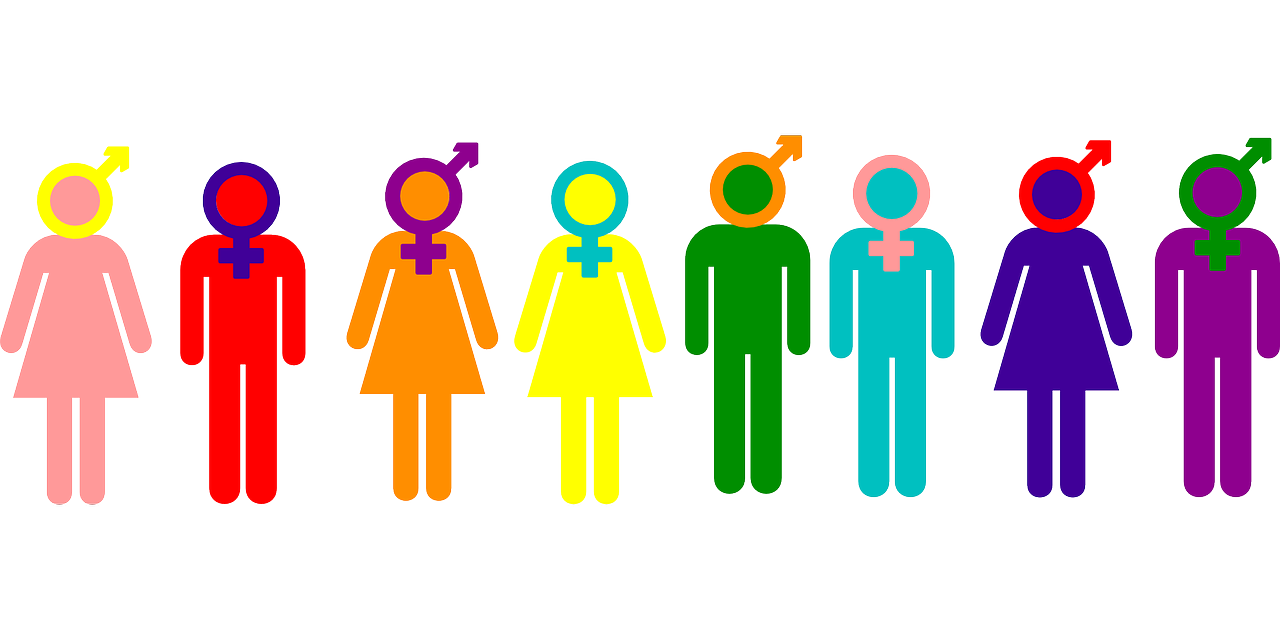 Gender Dysphoria (formerly known as Gender Identity Disorder) has received a substantial amount of media attention recently, with the very public gender transformation of Caitlyn Jenner and award winning shows such as Transparent. Fortunately, public awareness of gender dysphoria has opened the door to increased societal acceptance and understanding for individuals with a variety of gender identities. Despite improvements in the awareness and acceptance of gender issues, children and adolescents who present with gender dysphoria often feel confused and ashamed. Parents and family members may also experience confusion about their child’s gender dysphoria and feel unsure about how to respond. The following is meant as a starting guide for families who are beginning to navigate gender related issues with their child.
First, it’s important to understand the difference between the terms sex and gender. Sex is a term that describes the anatomy of a person’s reproductive system, genetic makeup, and secondary sexual characteristics. Sex is typically assigned at birth based on a child’s anatomy and is usually male or female (although it is important to note that sex also exists on a spectrum and some individuals are born with intersex conditions). Gender is a more complicated term to define because it is more fluid then sex. Gender refers to the way in which a given society defines the attitudes, feelings, and behaviors of men vs. women. Individuals who are cisgender identify with a gender that aligns with the sex they were assigned at birth whereas individuals that are transgender identify with a gender identity that differs from their assigned sex (e.g., a person who identities as female but was born with male sexual characteristics). Gender dysphoria, which is a diagnostic code in the Diagnostic and Statistical Manual of Mental Disorders, Fifth Edition (DSM-V) is a term used to describe individuals who experience distress or impairment due to their persistent identification with a gender that differs from the gender others would assign him or her. Individuals with gender dysphoria have a strong desire to be treated as the other gender and in some cases to be rid of their born sexual characteristics. Gender is best thought of as on a spectrum as there is increasing awareness of various gender identities that fall outside traditional male or female identities (e.g., bigender, agender, genderqueer). Finally, sexuality and gender are separate constructs and it is important to know that an individual’s gender identity does not determine their sexual identity. For example, a person who identifies as female but was born male may be attracted to women, men, or both.
A normal part of childhood and adolescence is to experiment with different identities and interests. Thus, it is normal for children to sometimes behave in ways that do not conform to societies’ gender roles (e.g., for a male child to dress up as a princess). A small portion of children, however, are very persistent in their identification with a gender opposite or different from their assigned gender. It is important to know that some children, adolescents, and adults who identify with a gender that is different from the one they were assigned at birth do not experience distress and therefore do not have gender dysphoria. However, psychological distress, such as anxiety or depression is often common in children with gender identity questions and in these cases the diagnosis of gender dysphoria is warranted. Children and adolescents with gender dysphoria may benefit from a gender evaluation and psychotherapy or psychiatry services. Some children and adolescents with gender dysphoria choose to socially transition or to pursue medical interventions (e.g., puberty suppressors, cross-hormone therapy, and genital surgery) consistent with their identified gender. In these cases, professional psychotherapy or psychiatry services can provide support for individuals as they move through the transition process and can assist individuals in making informed decisions that are right for them.
Sadly, individuals who experience gender dysphoria are often times marginalized from peers and even their families; in these cases, the risk for psychiatric problems and even suicide dramatically increases. Thus, family acceptance and support can be critically important in the long term outcomes of children with gender dysphoria. Often family therapy or supportive therapy for parents and family members can assist families in learning how to best support their child.
 For all the parents out there who are struggling to manage their children’s tantrums, this one is for you! Put yourself in your child’s shoes… there is A LOT to learn. Different environments have different routines, behavioral expectations and rules. Managing all of these things is an ongoing learning process, and it is not surprising at all that it does not always go super smoothly. So next time you are in the supermarket and your child is in the midst of a meltdown – here are some tips to get you through it.
- All behavior has a purpose – sometimes in the moment it can feel like tantrums occur out of nowhere, but there is always a reason. As a parent, you are in the best position to be a “behavior investigator”. In order to be proactive, and prevent future tantrums (i.e., decrease the frequency of the behavior), you will need to take a really deep breath and think hard about what was happening right before the tantrum started. Basically, it is your job to figure out the why (function) of the behavior. Some considerations:
- Did you ask your child to do something that is hard or unenjoyable right before the tantrum started (think about all those homework related behavioral issues)
- Did you ask your child to move from a fun activity to a less fun activity (transition between watching TV and eating dinner)
- Did you tell your child he/she could not have something they wanted (cookie at a supermarket)
- Figured out why the tantrum is occurring? Great, now it’s time to stay strong!
- If you have already told your child that he or she cannot have a cookie, you need to try your best and follow through with that decision
- If your child engages in a seemingly never ending tantrum and then you agree to let them have a cookie, you are almost guaranteeing the future occurrence of tantrum behavior. Think about it from your child’s perspective: if crying worked for me this time, why wouldn’t it work again?
- Try to stay in the moment and remember that you are doing the best thing for your child
- It is a fact that when your child tantrums in public, there will be people who offer unsolicited suggestions. Remember, you know what you’re doing. Stick with it!
- Try your best to remember that because all behavior means something, the way you are dealing with it is a way of teaching your child about limits, rules, and eventually the appropriate way to get what he or she wants
- Tempted to give in? Think long term
- Remember the cookie in the supermarket? Giving in would have solved the whole tantrum, right? Giving in may solve problems short term; however, remember that all tantrums are learning experiences so ask yourself the question: what did I just teach my child?
- How you handle this tantrum not only teaches your child a valuable lesson about rules and expectations, it sets the stage for how you are going to solve these behavioral issues long term
Once the tantrum is over, the real work begins. Now it is time to figure out the best way to prevent another tantrum from occurring. Let’s continue with the example of the cookie in the supermarket. Maybe before the next supermarket trip, you sit with your child and go over your expectations for that trip (hold mommy’s hand, have a quiet voice, etc.). Depending on your child’s age, you may even give them some small jobs that will help keep them engaged during the shopping trip (find the carrots, apples, etc.). Be clear with your child: if they follow all the rules, then they can have access to something they really want (maybe it’s a special toy at home, or a special treat after dinner). Just make sure you make your expectations clear.
The last thing to remember is no one is perfect all the time. Tantrums can become overwhelming. Giving in does not do permanent damage, and it certainly does not mean you are a bad parent. All experiences are learning experiences, and you can use that information to make a better plan for next time. It’s all part of the process!
 In the last several decades awareness and acceptance of mental health issues has greatly improved. Efforts to decrease stigma around mental health has allowed for the millions of children, adolescents, and adults struggling with mental health problems to seek support and access treatment. Although understanding and tolerance related to mental health issues has served to reduce public stigma of individuals with mental illness, misinformation related to mental health continues to be a problem. Below are 9 mental health statistics everyone should know:
- Mental health problems are very common. Around 20% of children, adolescents, and adults have experienced a mental health issue. Mood disorders, such as depression, dysthymic disorder, and bipolar disorder are the most prevalent disorders in the U.S., with approximately 10% of all adults suffering from one of these disorders over the course of a year.
- Suicide is the 10th leading cause of death in adults and the 2nd leading cause of death in 15-29 year olds across the globe. Mental health issues are a leading cause for suicide, since almost 90% of individuals who complete suicide have a diagnosed mental illness.
- Although mental health problems are often not identified until adulthood, 50% of mental health problems begin before age 14 and 75% begin before the age of 24. Early assessment and treatment of mental health problems can significantly change the course of a mental illness and individuals who seek help early have better outcomes later in life.
- Mental health affects women and men differently. For example, depression is almost twice as common in women than men; however, substance abuse is almost twice as common in men than women. Severe mental disorders, such as schizophrenia and bipolar disorders affect men and women about equally.
- Mental health problems affect individuals of all ages, cultural backgrounds, and socioeconomic status; however, children and adults living in poverty have a higher risk of mental illness. Individuals from lower socioeconomic status are also often less able to access appropriate treatment for mental health problems.
- Unfortunately, most adults (60%) and 50% of children with mental health issues do not receive mental health services. The cost of untreated mental illness is staggering—estimates suggest that serious mental illness costs America $193.2 billion each year. Treatment of mental health problems helps to offset this cost by assisting individuals with mental illness to reenter the workforce, decrease absenteeism, or increase productivity.
- Stigma around mental health issues has helped to spread the myth that people with mental health problems are violent and unpredictable. The truth is that the vast majority of individuals with mental health problems have the same likelihood of committing violent acts as anyone else. In fact, people with severe mental illness are 10 times more likely than people without mental illness to be the victims of violent crime than people in the general population.
- Although dramatic cultural shifts have occurred in our acceptance of mental health problems, significant stigma continues to exist. Nine out of ten people with a mental health problem report experiencing stigma. Stigma can serve to worsen mental health problems and prevent individuals from seeking treatment.
- People with mental health problems can get better and even recover completely if they receive appropriate treatment. Support from friends and family can often be a crucial factor in linking individuals with mental illness to treatment.