 Anxiety is a natural, normal and harmless emotion. Anxiety becomes problematic when it begins to prevent or interfere with a child’s ability to engage in and enjoy daily activities. Anxiety disorders represent the most prevalent mental health disorder in children and teens, with approximately one in eight children experiencing an anxiety disorder.
Children can experience anxiety disorders consisting of:
- generalized anxiety disorder separation anxiety disorder
- panic disorder
- specific phobias
- social anxiety disorder
- and selective mutism
Children can also experience related disorders of:
- obsessive compulsive disorder
- and posttraumatic stress disorder
While the causes of anxiety disorders are still being understood, they are known to be related to a combination of interacting biological and environmental risk factors.
Biological risk factors include:
- a genetic predisposition for anxiety
- neurobiological factors
- neuroendocrine factors
- preexisting medical conditions
- and preexisting psychiatric conditions
Early biological risk factors can present as behavioral inhibition in children. Behavioral inhibition is defined as an individual’s tendency to show fear and withdraw when faced with new or unfamiliar situations.
In addition to biological risk factors, anxiety disorders have also been associated with environmental factors. These include exposure to stressful life events and specific care-provider behaviors in response to environmental cues, such as modeling of anxiety and over-control. It is important to note that environmental factors alone do not cause anxiety disorders in children. These environmental factors are believed to interact with biological vulnerabilities in the development and maintenance of anxiety disorders.
There are many evidence-based treatments that have been developed to treat anxiety disorders in children. These include cognitive behavioral therapy, medication management or a combination of both.
Resources:
 Growth Mindset is the idea that your talents and abilities can be improved through hard work and perseverance. When individuals with a growth mindset are presented with a challenge, they use problem solving strategies to overcome, and successfully complete their task. Completing these challenges can be long term or short term accomplishments.
Dr. Carol Dweck, a Professor of Psychology at Stanford University, is known for her work on the mindset psychological trait. Her primary research includes motivation, personality, and development. Dweck explains three common misconceptions about growth mindset:
- Growth mindset is not just having a positive outlook or being open-minded.
- Rewarding just children’s or adults’ effort is not supporting growth mindset. Rewarding the process and strategies taken to achieve a goal supports growth mindset.
- Learning significant and useful lessons, even if the original goal hasn’t been accomplished, is still just as important to celebrate.
The science behind a growth mindset:
Psychologist Jason Moser studied the neural mechanisms that operate in people’s brains when they make mistakes. According to his study, those with a growth mindset had considerably higher brain activity when making a mistake, than those who show a fixed mindset. Their brain signaled conscious attention to a mistake and as a result grow a synapse, a brain spark. The study found that individuals with a growth mindset had a greater awareness of their mistakes, and were more likely to go back and correct those mistakes.
What does this mean for our children?
In a study conducted by Lisa Blackwell, Kali Trzesniewski, and Carol Dweck, they measured two groups of 7th graders. Students in group 1 were introduced to intervention lessons that taught growth mindset, while the students in group 2 did not receive these lessons. These lessons taught students to push out of their comfort zone to learn something new and difficult. The neurons in their brain form new, stronger connections over time and as a result become smarter. Students who were not taught this growth mindset, group 2, continued to show declining grades over their school transition. Students who were taught this lesson, group 1, showed a sharp rebound of their grades.
A majority of children are motivated to get that A+ on their assignment, or a shout out from their teacher during a lesson for getting an answer correct. Children have been raised in an environment in which getting the right answer is the only way to achieve success. At times when children do not receive the accurate solution, they feel defeated and give up. They begin to reflect on themselves and think that there is nothing they can do to get the right answer because they are just not smart enough. As children grow to become adults, this mindset prevents them from being able to partake in opportunities that allow them to become successful in their career.
We need to praise wisely. This means praising the process that kids engage in, not just their intelligence. We want to highlight their effort, strategies, focus, perseverance, and improvement. Growth mindset creates individuals who become resilient, don’t back down to a challenge, and outperform others in their careers.
Resources:
https://hbr.org/2016/01/what-having-a-growth-mindset-actually-means
“Mind Your Errors” by Jason Moser, Hans Schroder, Carrie Heeter, and Tom Moran, 2011
“Implicit Theories of Intelligence Predict Achievement Across an Adolescent Transition: A Longitudinal Study and an Intervention” by Lisa Blackwell, Carol Dweck, and Kali Trzesniewski, 2007
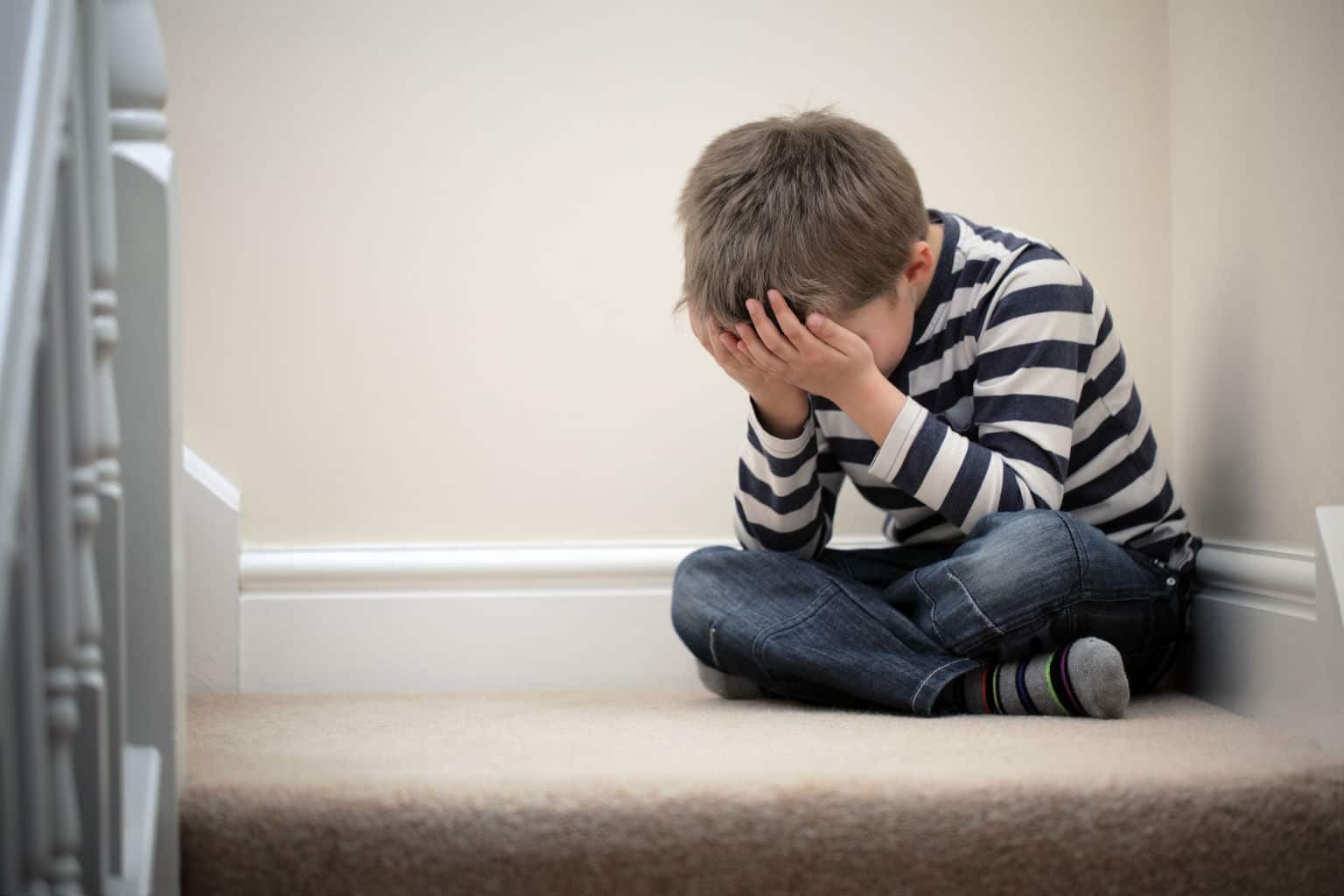 The short and simple answer to this question is “yes,” but when assessing PTSD in children it is important to understand more about it, as its signs and symptoms in children often present differently than they do in adults.
What is a traumatic event?
According to the National Child Traumatic Stress Network (NCTSN), “A traumatic event is a scary, dangerous, or violent event” in which there is an immediate threat to oneself or to a loved one, and is often followed by serious injury or harm. During a traumatic event one experiences terror, helplessness, or horror at what is being experienced and the inability to protect oneself or others.
There are a variety of events that may be experienced as being traumatic for children and teens, some of which include:
- Accident
- Injury
- Serious illness
- Fires
- Crime
- Community violence
- Combat injury of a loved one
- Death of a loved one
- Violence within the family
- Abuse
- Neglect
- Homelessness
- School violence
- Natural disaster
- Act of terrorism
Fortunately, even when children experience traumatic events, they do not always develop traumatic stress. According to US Department of Veteran Affairs, the development of traumatic stress is dependent on the following factors:
- How severe the trauma is
- How the parents react to the trauma
- How close or far away the child is from the trauma
Children who experience more severe trauma and are the closest to it tend to develop more traumatic stress, while those that have more familial support and whose parents are less upset by the trauma will experience less.
Signs & Symptoms of Traumatic Stress
Indications that a child is experiencing traumatic stress tend to vary based on the child’s age and level of resilience. For this reason, it is important be aware of the many different signs and symptoms that may indicate the presence of traumatic stress. According to NTCSN these include the following:
Preschool Children:
- Feel helpless and uncertain
- Fear of being separated from their caregiver
- Cry and/or scream a lot
- Eat poorly and lose weight
- Regression (e.g., return to bedwetting and/or baby talk)
- New fears
- Nightmares
- Recreate the trauma through play
- Are not developing to the next growth stage
- Have changes in behavior
- Ask questions about death
Elementary School Children:
- Become anxious or fearful
- Worry about their own or others’ safety
- Become clingy with a caregiver or teacher
- Experience guilt or shame
- Repeatedly tell others about the traumatic event
- Become upset if they get a small bump or bruise
- Difficulties concentrating
- Experience numbness
- Have fears that the event will happen again
- Have difficulty sleeping
- Change in academic performance
- Become easily startled
Middle & High School Children
- Feel depressed and alone
- Discuss the traumatic events in detail
- Develop eating disorder and self-harming behaviors (e.g., cutting)
- Start using or abusing alcohol and/or drugs
- Become sexually active
- Feel like they’re going crazy
- Feel different than everybody else
- Risky behavior
- Sleeping difficulties
- Avoidance of places that remind them of the event
- Changes in behavior
- Say they have no feeling about the event
What do I do if I suspect that my child has PTSD?
Caregivers can do many things to help their children including listening to them, reassuring them of their safety, telling them that it is not their fault, being patient with the fact that the healing process may take longer than expected, and maintaining as much consistency in the routine and home environment as possible. It is also important that parents assess their own reactions to the traumatic event and their own trauma history, as these factors will surely affect their reactions to their children’s difficulties. If a child’s distress persists for several weeks, it may become necessary to consult with a mental health professional who will help the child process the trauma and regain a sense of safety and security.
Resources used for this blog:
https://www.ptsd.va.gov/public/family/ptsd-children-adolescents.asp
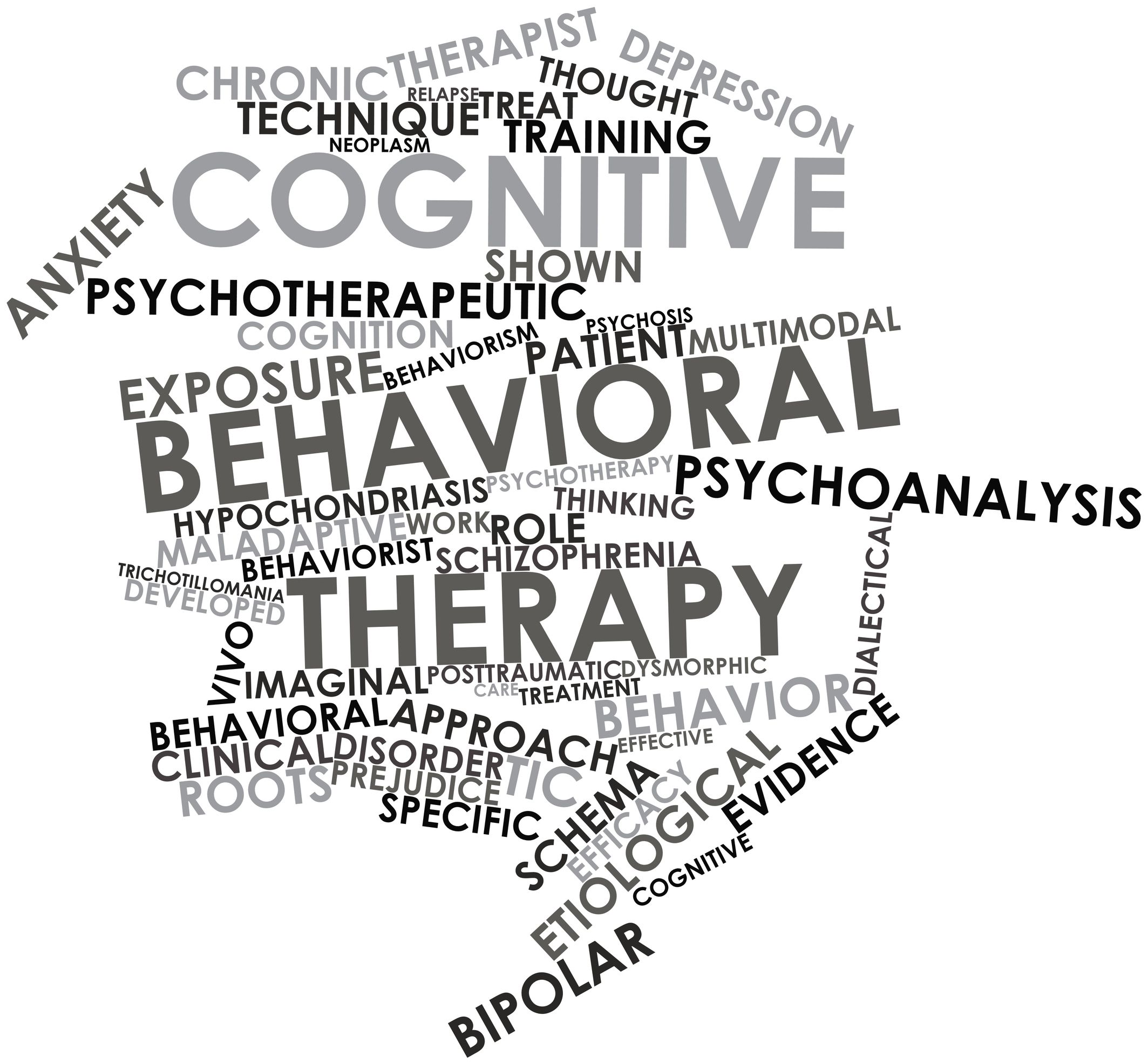 Sifting through the alphabet soup of psychotherapy treatments can often be bewildering and overwhelming. The rise of evidence-based psychotherapies (i.e., treatments that have strong research support) has had a tremendous impact on the value of treatment provided by practitioners; however, it has also had the unintended consequence of confusing patients. Two very common (but distinct) evidence-based psychotherapies that can be difficult to distinguish are Cognitive Behavioral Therapy (CBT) and Dialectical Behavior Therapy (DBT). Cognitive Behavioral Therapy is one of the most widely researched, validated, and practiced psychotherapy treatments. CBT therapies focus on the relationship between thoughts, feelings, and behaviors in an attempt to help patients gain control over unwanted thoughts and feelings so that they can better manage harmful or unwanted behaviors. Dialectical Behavior Therapy (DBT) is a type of CBT that was developed specifically for individuals with Borderline Personality Disorder. Although DBT incorporates some of the components of traditional CBT, DBT is distinguished by several factors from CBT. It is always helpful to consult with a psychotherapist when attempting to decide between different treatments; however, the table below can help to provide some clarity in how CBT and DBT differ.
| Cognitive Behavioral Therapy (CBT) | Dialectical Behavioral Therapy (DBT) | |
| Conditions treated | Anxiety, Depression, Substance Use, Eating Disorders, Social Skills Deficits | Borderline Personality Disorder and Suicidal Behavior. There is also increasing evidence that DBT can be used to treat other conditions, including Eating Disorders. |
| Age ranges | CBT can be utilized with children, adolescents, and adults | DBT is well validated for adolescents and adults. Although new research is investigating the use of DBT in children, DBT is not currently commonly practiced with young or school aged children. |
| Treatment Modality | Typically, once weekly individual psychotherapy. | Once weekly individual psychotherapy, once weekly DBT skills group, and phone coaching (24/7 access to individual therapist for use in crisis situations to facilitate use of DBT skills and prevent hospitalization). |
| Length of time | Short-term and goal oriented psychotherapy. | Typically long-term, given the chronicity of problems treated. At minimum, completing DBT skills group takes approximately 6 months. |
| Primary goals | To identify unhelpful thoughts associated with challenging emotions and unwanted behaviors. To learn how to manage such thoughts and to increase helpful thoughts in order to fuel improved emotional control and adaptive behaviors. | To decrease suicidal thoughts and behaviors. To improve interpersonal relationships, develop emotion regulation strategies, and to generate an increased sense of acceptance of painful experiences/unwanted circumstances. |
 Does your child say, “I’m okay” to you even though you know they really are not? How can you determine if your child is experiencing a normal amount of sadness about a specific situation or clinical depression that warrants therapy with a child psychologist? While this treatable mental illness can run in families, others have no family history of depression at all. Often times, children and teenagers begin to show some depressive symptoms and if they seek help early they can get the support they need to live fulfilling lives.
Top 10 Signs of Depression in Children and Teens:
- Irritability or Anger
- Sadness or Hopelessness
- Changes in Sleep
- Changes in Appetite
- Social Withdrawal
- Increased Sensitivity to Rejection
- Difficulty Concentrating or Low Energy
- Outbursts or Spontaneous Crying
- Making Negative Comments about Themselves
- Loss of interest or pleasure in hobbies and activities
When Is It Important to Seek Help?
While it is normal for children and teens to have sadness based on life events such as a family member, friend or pet dying, if a child or teen exhibits several of the symptoms listed above for an extended period of time, it may be important to seek professional support. If a child or teenager has had a personal or family history of depression, are currently undergoing major life changes (i.e. stress or trauma) and/or physical illnesses, these are increased risk factors for clinical depression. Common treatments for depression in children and teens are a combination of Cognitive Behavioral Therapy, Family Therapy, psychoeducation and medication. One person diagnosed with depression is not affected the same way as another person. Therefore, there is not a “one-size fits all” treatment. It is important to talk to your therapist about an individualized treatment approach.
Resources:
https://www.nimh.nih.gov/health/topics/depression/index.shtml
http://www.dbsalliance.org/site/PageServer?pagename=education_depression

According to Christopher McDougle, MD, director of Massachusetts General Hospital’s Lurie Center for Autism and a member of Autism Speaks Autism Treatment Network, “Mood disorders – including depression – do appear to be more common in those with developmental disabilities than in the general population.” It can be very difficult to identify depression in an individual with an autism spectrum disorder (ASD) though due to their general difficulty in expressing emotion verbally or through facial expressions. For this reason, it is important to look at other indicators of depression such as a loss of energy or interest in those things that the individual used to find pleasurable, loss of motivation, changes in sleep and/or appetite, social withdrawal, and a reduced desire to communicate with others. Still though, many of these symptoms can also stem from ASD rather than depression and therefore it can be difficult to tease apart. For these reasons, depression amongst those with ASD can often go untreated.
Depression in those with ASD most often emerges during late adolescence or in an individual’s 20s. It can be common amongst those with ASD due to its association with a range of difficulties across three areas, sometimes referred to as the triad of impairment – social communication, social understanding, and imagination. Deficits in these areas can lead to difficulties connecting with others and maintaining relationships, social withdrawal, being able to anticipate what will happen in given situations, and difficulties making plans for the future – all factors that can lead to feelings of depression. Additional factors include an individual becoming more aware of his or her diagnosis and disability, bullying, or a genetic predisposition to depression.
Identifying Depression
According to the Asperger’s Syndrome Foundation, there are three approaches that need to be made in diagnosing depression in a person with an autism spectrum disorder. They include the following:
-
-
- Observing any deterioration in cognition, language, behavior or activity due, as these may be indicators rather than verbal or nonverbal expression of depressed mood.
- Taking the patient’s history to establish their baseline, patterns of activity and interests. It is this pattern with which the presenting patterns can be compared.
- An attempt should be made to assess the patient’s mental state, both directly and through the caregiver, if present. Examples would include reports of crying, difficulties in separating from their caregiver, increased/ decreased activity, agitation or aggression. There may be evidence of new or increased self-injury or worsening autistic features, such as increased proportion of echolalia or the reappearance of hand flapping.
-
Strategies for Coping with Depression
According to autism-help.org, some personal strategies suggested by people with acquired brain injury might also be useful for an individual on the autism spectrum disorder. These strategies include:
-
-
- Having a nap
- Listening to music
- Watching television
- Working on a personal project
- Walking or other exercise
- Mental stimulation
- Scheduling activities and making short-term plans
- Self-Talk or thought challenging.
-
In mild to moderate forms of depression, psychological therapy may also be useful and in some cases the use of psychotropic medications may be necessary.
Suicide
According to Dr. McDougle, thoughts of suicide may also be common amongst those with ASD. For this reason, it is important for clinicians to assess for potential suicidal ideation whenever evaluating adolescents or adults with ASD.
References:
https://www.autismspeaks.org/blog/2013/05/13/whats-connection-between-autism-and-depression
https://autism-help.org/adults-aspergers-depression.htm
https://autism-help.org/aspergers-syndrome-adults.htm
 Worried about your child’s feelings around others? Here are some clues:
- Do they worry a lot about others thinking bad things about them?
- Do they often say no to social events or places where they’d have to talk to people?
- Are they not up for trying new things or going to new places?
If you said yes to these, your child might have something called Social Anxiety Disorder.
Recognizing Social Anxiety in Children
Knowing if a child has social anxiety means looking for some common signs:
- Fear of Social Situations: If they’re really scared about being around others or doing things in front of them.
- More than Just Shy: It’s not just being shy – social anxiety is bigger. It can make things hard in daily life. Shyness and social anxiety aren’t the same, even though they can be together.
- When It Shows Up: Social anxiety often comes around in the early teenage or preteen years. But it can start even when you’re younger.
- Struggling with People: They might be fine with family and close friends, but meeting new folks or talking in groups is super tough.
- Different Signs for Different Ages: Young kids might have tummy aches or not want to go to school. Older ones could have lots of negative thoughts, feel down, do poorly in school, or even turn to alcohol or drugs.
Remember, noticing these signs helps us understand and help better.
Recognizing Signs of Social Anxiety:
- Thinking Bad Thoughts: They might always think they’ll mess up or others won’t like them.
- Feeling Physical Stuff: Like stomach aches, blushing, sweating, shakiness, being extra upset, crying, or tense muscles.
- Feeling Nervous: They’re anxious or worried.
- Embarrassed or Ashamed: Feeling like they did something wrong.
- School Stuff: Not wanting to go, avoiding class, crying or tantrums.
- Staying Alone: Being by themselves a lot.
Diagnosis Checklist (based on the DSM-5):
- Scared in Social Scenes: Worried about being seen by others, like friends or adults.
- Fear of Messing Up: They’re scared they’ll do something wrong or show they’re anxious.
- Strong Reactions: Getting super scared in social situations, like crying, freezing, or not talking.
- Avoiding or Fearing: They stay away from these situations or face them with big fear.
- Too Much Fear: Feeling way more scared than they should.
- Six Months or More: This worry goes on for half a year or longer.
- Big Trouble: It makes life hard at school and with friends.
If your child shows these signs and struggles in their everyday life, It’s time to seek help. When your child has these feelings and it’s making their life harder, it’s okay to get help from an expert. Social anxiety disorder often gets better with Cognitive Behavioral Therapy (CBT). This type of help teaches kids how to handle their worries and change their bad thoughts. Being part of a group therapy can also be good. It helps kids face their fears, manage anxiety, and feel more comfortable around others.
Impact of School Refusal: How It Affects Kids:
When a child constantly avoids going to school, it can have significant effects on different aspects of their life. Firstly, it can cause problems with their schoolwork, making it harder for them to do well academically. Additionally, avoiding school can lead to difficulties in forming and maintaining friendships, which are important for social development. Moreover, this pattern can create challenges within the family, including conflicts with parents and missed work days. Behind all of this, there are also emotional struggles like anxiety and sadness that contribute to school refusal.
Furthermore, the longer a child stays away from school, the more challenging it becomes to return. This means that the longer they avoid school, the harder it can be for them to catch up on missed learning and reintegrate into the school routine. It’s essential to recognize that avoiding school doesn’t just affect one area of a child’s life; it has a ripple effect that touches their education, relationships, family dynamics, and emotional well-being.
Digging Deeper into School Refusal Causes
It’s important to know that school refusal isn’t just about a child skipping school for fun. Instead, it’s a situation where a child strongly doesn’t want to go to school at all.
Understanding School Refusal: Common Causes and Possible Reasons
Sometimes, there might be other reasons why a child doesn’t want to go to school. These could include:
- Bullying: If a child is being treated badly by others, they might not want to go to school.
- School Challenges: If they’re finding schoolwork tough, it could make them want to avoid going.
- Feeling Nervous: They might be worried about a test, a speech, or something else happening at school.
- Life Changes: Big events like moving, having a new sibling, or family changes can make school hard to handle.
- Emotional Struggles: Feelings like being too worried, sad, or not being able to handle social situations can lead to avoiding school.
- Physical Complaints: If they often say they’re sick, like having headaches or stomach aches, it might be a way to not go to school.
Remember, there could be more to the story when a child doesn’t want to go to school.
How can we help with school refusal?
When a child keeps avoiding school for a while, like days, weeks, or even months, there are ways to help them. This can include getting them back to school and helping with things like anxiety or similar.
We have plans to help with school refusal. The plans are different depending on how serious it is: mild, moderate, or serious. The cost and how long it takes are different for each person, but usually, the treatment goes on for about six weeks.
Step 1: Understanding Why a Child Doesn’t Want to Go to School
In this first step, we carefully examine why a child is avoiding school. A specialized therapist will be involved in this process.
- Thorough Discussion: The therapist will have a detailed conversation with the child and their parents. They might also talk to teachers, caregivers, and school staff.
- Gathering Information: We’ll collect important information. We’ll talk to the student and their parents, and possibly teachers or others involved. We’ll use tools like ratings and scales to help. We might also observe the child at school or home, either in person or through remote methods.
- Checking Health: Sometimes, we might need to get a doctor’s opinion to understand better.
This step is crucial to know what’s causing the child’s hesitation about going to school.
Step 2: Customized Advice and a Well-Planned Treatment
Treatment plans require consistent, dedicated planning and implementation to ensure the behavior is discontinued.
Treatment plans for students may include:
- Taking Small Steps: Students can get used to school by spending a bit of time there every day and gradually getting used to it.
- Learning to Relax: If a student feels nervous about school or talking to friends, they can learn ways to stay calm.
- Making Friends: Students can also learn how to be better at making friends and getting along with others.
- Earning Rewards: Going to school regularly can earn students cool rewards, which makes it more fun.
- Setting Goals: Students can decide on things they want to achieve at school and work towards them.
- Positive Thinking: When students worry, they can learn how to think in helpful and positive ways.
Parent/School training may include:
- Smoother Days: Making mornings and evenings easier by having a routine.
- Catching the Good: Giving attention when students do well and come to school. Making it not fun if they don’t come. Not paying attention to bad behavior.
- Time for School: Not letting the child do fun things like watch TV or play games when it’s time for school.
- Communication skills training: Learning how to talk so there’s less fighting at home.
Please contact us for more information or to schedule a consultation.
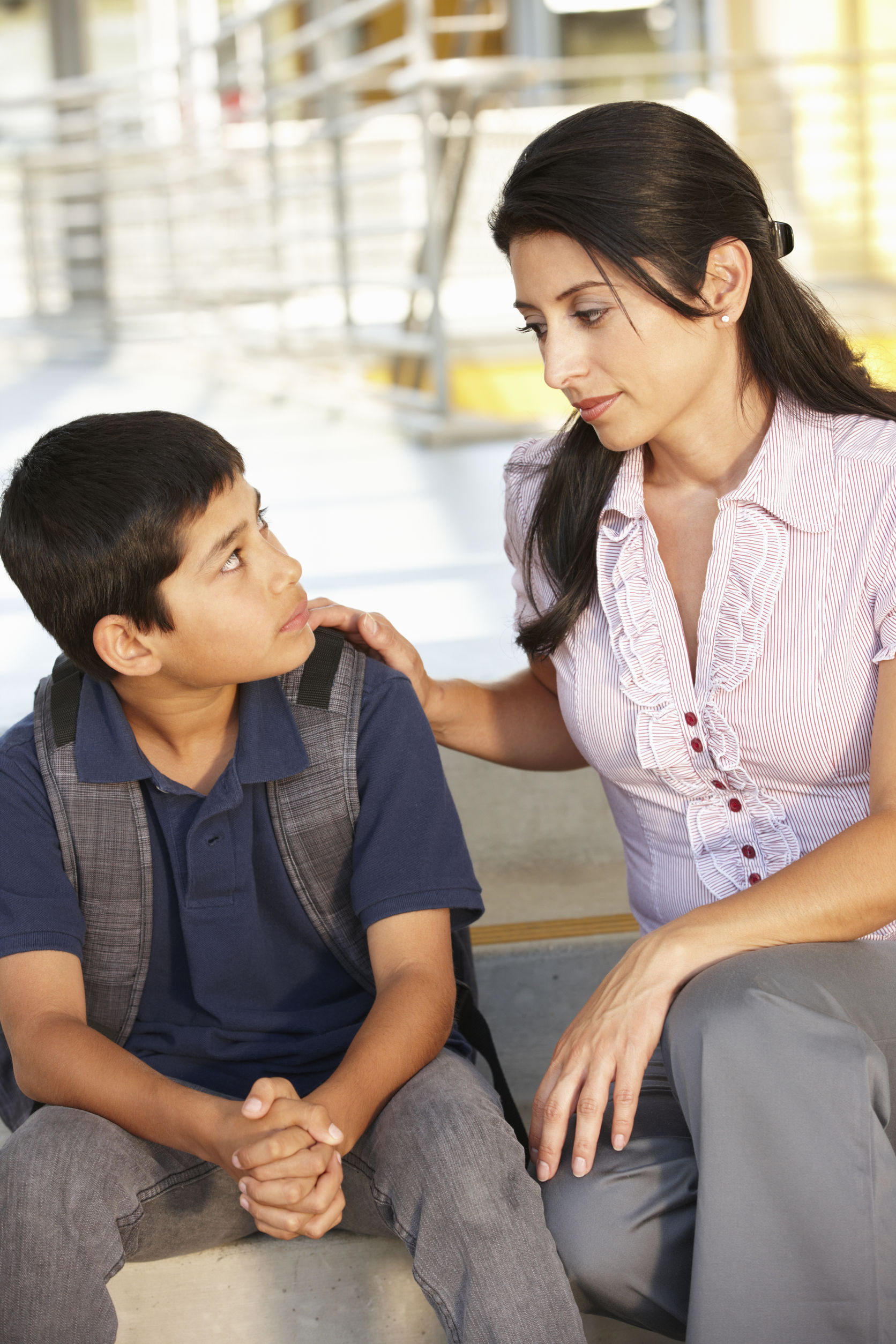 With the increased number of terror attacks that we are hearing about in the news, something that had once been a much rarer occurrence may feel like it is happening at an increasing rate. As parents, this means that there may be more instances where our children will be exposed to such news. Events such as terrorist attacks can be quite frightening and difficult for adults to grapple with, which can make the question of how to speak to your children about it feel all the more daunting. There is no single answer and it may still be a difficult conversation, but here are some things to think about when you have one of these conversations with your children.
- Prepare yourself. Think about what you want to say to your child, what message you want to convey to them in the conversation, and then think about how you can get that message across to your child. For younger children, the message should be one that acknowledges that something bad happened but also reassures them there are many people out there who are working very hard to keep us safe. For older children it may be ok to talk more about the issues underlying the incident or terrorism in general, while still offering the reassuring and realistic message about the many people around the world who are in charge of keeping us all safe.
- Start with your child. Open up the conversation by finding out what your child knows about the situation and asking what questions they have about it. This allows you to get a sense of what they already know and ensures that you will not give them more information than they can handle. For example, a child may want to know if everyone is ok or was taken to the hospital on time, and once you have answered that question, he may thank you and go off to play or finish homework.
- Use developmentally appropriate language and material. The words you use and the amount of information you share may be different for each of your children, depending on their age and developmental level both in regards to intellect and emotional maturity. Think about this and plan ahead before speaking to each child.
- Be honest.It’s ok for children to see their parents upset, sad or angry about things. Children know when parents are being disingenuous with them so if you are feeling sad or scared, it’s ok to let them know that. It is, in fact, an opportunity to model the skill of “talking about your feelings” with them and for them to see you cope with those feelings. Seeing you label your feelings and talking with your children about how you cope with those feelings is an important emotional lesson. At the same time, make sure that you are able to cope well enough in the moment so that you do not overwhelm your child with your own feelings. If you do not feel able to have the conversation, ask your partner or another close family member if they can talk to your child, and make sure that you get the help and support you need as well.
- It is ok to say “I don’t know”.You may feel the need to have all the answers but it is ok not to. What is important is that you are open and honest with your children and that, if it is an ongoing situation, that they know you will keep them updated as the situation unfolds. To be in a place of not knowing can be very uncomfortable for both adults and children, but it is also an important lesson in how to cope with so many of life’s questions or events when our best answer may be “I don’t know.”
- Keep the conversation going. Sometimes, when we talk to children about a topic where we have prepared all of the answers to their potential questions, they respond to us with silence. Know that it is ok and they may need some more time to take it all in and that they may come back to you in an hour, a day or a week, ready to continue the conversation. Let your children know you are there to talk when they are ready and that once the conversation has been opened up, they can come back to it with you as often as they need.
- Show them you love them. Remember that we all inhabit many different worlds and that the first and most intimate world is that of the family. Make that a place of love and safety by not only telling your children with words the messages you want to communicate with them-be it “I love you” or “you are safe here” or “I am here when you’re ready”-but show them as well by spending time together and being there for them when they need it.
While it is important to note that many children will have some kind of reaction and questions surrounding a terrorist attack, it is also important to know that children are quite resilient and most will be ok, even if they seem shaken up at first. If you have any concerns about your children – if you notice a change in sleeping or eating patterns, in overall mood or in behavior at school, at home or with friends – you can consult with a child psychologist to help your child who may be struggling to cope with these matters.

Distress Tolerance Skills In Dialectical Behavior Therapy (DBT)
Written by

Dialectical Behavior Therapy (DBT) is an evidence-based psychotherapy originally developed by Dr. Marsha Linehan to treat chronically suicidal adults diagnosed with Borderline Personality Disorder.
Although DBT was developed for the treatment of severely suicidal patients, DBT skills can be very useful for anyone who is trying to manage stressful, painful, or challenging situations in their lives.
A core component of DBT is radical acceptance.
Radical acceptance means that we are able to acknowledge situations in our lives that we have no control over and fully accept them as reality, rather than fighting against them by denying that they exist or complaining that they are unfair.
Radically accepting these situations in our lives, without judgement can often help in shifting our focus from how things “should be” to accepting things as they are. This slight, but powerful shift in perspective is often the first step in learning to manage emotions and tolerate distress.
In addition to radical acceptance, DBT teaches several DBT distress tolerance skills that are helpful in tolerating painful emotions without making the situation worse.
These skills are not meant to solve your problems (again, you may be facing problems that you have no power to change). Instead, they are designed to help you overcome overwhelming emotions that can often times emerge when we are faced with obstacles in our lives.
Types of Distress Tolerance Skills
- Distract with “Wise Mind ACCEPTS”
- Self-soothing with 6 senses
- Improve the moment
- Pros and Cons
- TIPP
- Distraction
Each skill focuses on a different way in which you can help manage stressful emotions and tolerate distress. Next, we will focus on how to use “Wise Mind ACCEPTS”:
Distract with “Wise Mind ACCEPTS”
Activites
Engage in some kind of healthy activity and shifting your attention to that activity.
Examples include calling a friend, baking cookies, and going for a bike ride.
Contributing:
Contribute to someone else.
Surprise someone with a thoughtful gesture or volunteer. Doing things for other people causes us to feel better.
Comparisons:
Compare yourself to those less fortunate than you or to yourself at a time when things were worse. Try to come up with a list of things you feel grateful for that others may not have.
Your pain is still valid, but the focus here is to put it in perspective for the moment so you can tolerate what you are feeling now in the crisis.
Emotions:
Create a different emotional experience by listening to something that usually makes you laugh or feel happy. Listen to your favorite upbeat song or put a funny video.
Pushing Away:
For the moment, decide that you will put thinking about the crisis on the back-burner and chose to think about something else.
This does not mean we ignore our problems, it means we decide to come back to it at a time when we are more able to handle it.
Thoughts:
Replace your thoughts with any other thoughts that are neutral and unrelated to the situation. If you fill your head with other thoughts, there will be less room for thoughts related to the problem. You can do brain teasers, sing songs, imagine positive memories.
Sensations:
Distract yourself with physical senses. Our bodies are designed to focus on new or intense sensations. If you engage your body in a sensory experience, such as putting your face in cold water, holding an ice cube, soaking your feet in hot water, your thoughts will follow and focus on the experience.
Like any skill, the more you practice the better you will be at using Wise Mind ACCEPTS. Also keep in mind that you may try to use one of the ACCEPT skills and not find it helpful immediately. That does not mean you should give up! If you have given the skill a chance and it really does not seem to help regulate your emotions, move on to the next skill.Distress Tolerance Skills in Dialectical Behavior Therapy (DBT)