Summer Screen Time: When Should Parents Be Concerned?
For many families, summer brings a familiar challenge: screen time.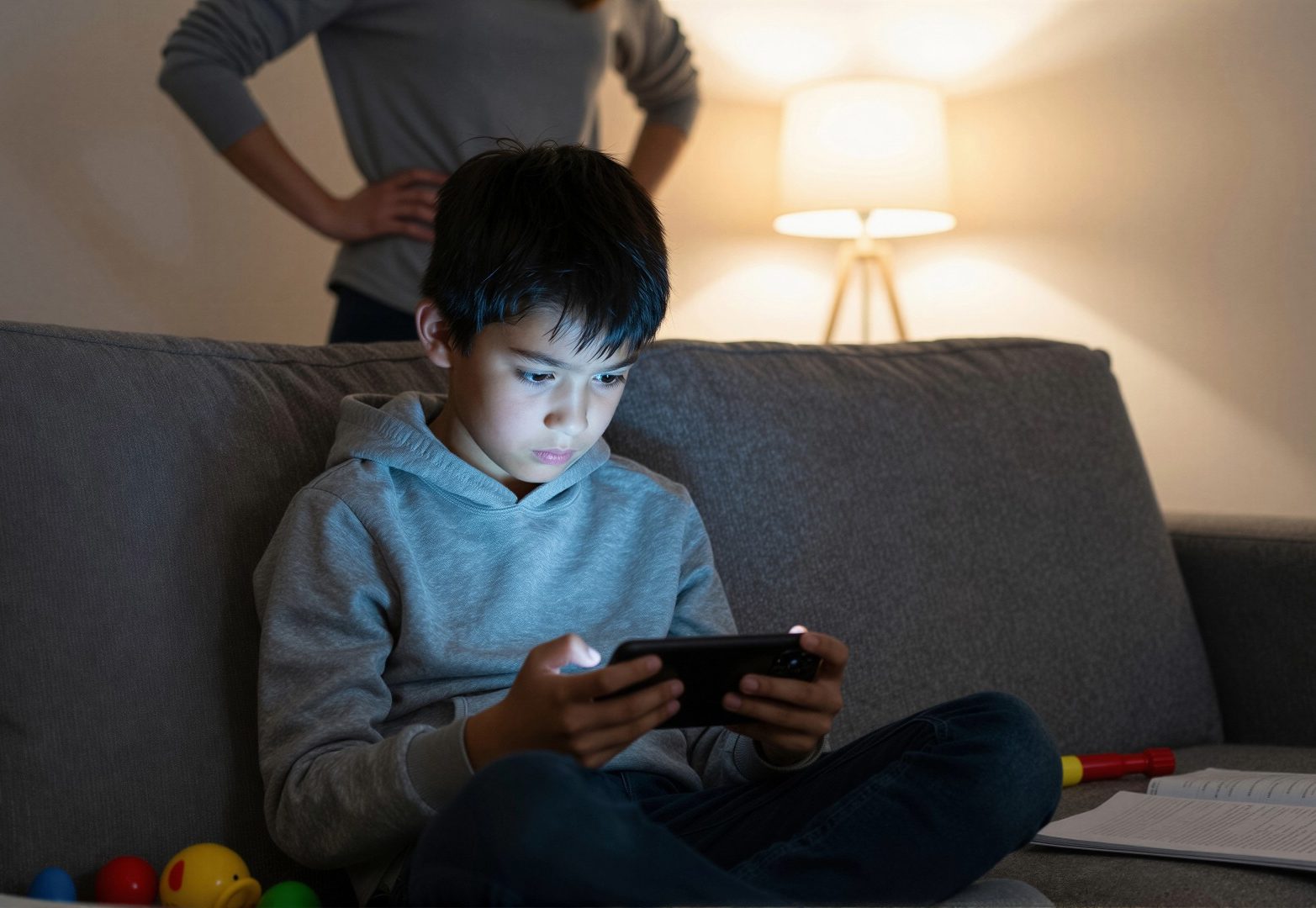
Without the structure of school, children often spend more time on phones, tablets, gaming systems, computers, and television. While technology can be entertaining, educational, and even social, many parents wonder when increased screen use becomes something to worry about.
If your child seems glued to a device this summer, you’re not alone. The good news is that screen time itself isn’t necessarily the problem. Instead of focusing solely on the number of hours, experts encourage parents to look at how screens are affecting a child’s overall functioning.
Is Too Much Screen Time Always Bad?
Not necessarily.
Technology plays an important role in many children’s lives. Screens can provide opportunities for learning, creativity, communication, and relaxation.
However, problems may arise when screen use begins interfering with important areas of development, including:
- Sleep
- Physical activity
- Family relationships
- Social interactions
- Emotional regulation
- School readiness
- Daily responsibilities
The question is not simply “How many hours?” but rather, “How is screen use impacting my child?”
Signs Screen Time May Be Becoming a Problem
While occasional gaming marathons or movie days are a normal part of summer, parents may want to pay closer attention if they notice:
Difficulty Stopping
Does your child become extremely upset when asked to put devices away?
Some frustration is normal, but intense emotional reactions may indicate that screen use is becoming difficult to manage.
Loss of Interest in Other Activities
Children should still show interest in:
- Friends
- Outdoor play
- Hobbies
- Family activities
- Sports
- Creative pursuits
When screens become the only preferred activity, it may be worth evaluating the balance.
Sleep Problems
One of the most common consequences of excessive screen use is disrupted sleep.
Research suggests that screen exposure before bedtime can affect:
- Sleep quality
- Sleep duration
- Ability to fall asleep
- Daytime alertness
Poor sleep can also affect attention, mood, learning, and behavior.
Increased Irritability
Many parents notice that children become more emotionally reactive after long periods of screen use.
This may look like:
- Mood swings
- Frustration
- Difficulty transitioning between activities
- Increased arguments
- Emotional outbursts
These reactions can be especially challenging during the less structured summer months.
Screen Time and ADHD
Children with ADHD may be particularly vulnerable to problematic screen use.
Fast-paced games, social media, and digital content provide immediate rewards and constant stimulation, which can be highly appealing to children who struggle with attention and impulse control.
Parents may notice:
- Difficulty disengaging from screens
- Increased distractibility
- Greater challenges with transitions
- Resistance to non-screen activities
It’s important to remember that screen use does not cause ADHD. However, excessive screen time can sometimes make existing attention and executive functioning challenges more noticeable.
The Connection Between Screens and Executive Functioning
Executive functioning refers to skills that help children:
- Plan
- Organize
- Manage time
- Control impulses
- Follow through on tasks
Summer naturally reduces opportunities to practice these skills because school routines are temporarily removed.
When excessive screen use fills much of a child’s day, there may be fewer opportunities to strengthen executive functioning through real-world experiences such as:
- Completing chores
- Managing schedules
- Participating in camps
- Socializing with peers
- Problem-solving independently
Maintaining a balance between screen activities and real-world responsibilities can help support healthy development.
Supporting Healthy Screen Habits During Summer
Rather than eliminating screens completely, many families find success by creating intentional boundaries.
Consider:
Creating Predictable Limits
Establish clear expectations around when and how devices can be used.
Prioritizing Sleep
Keep screens out of bedrooms when possible and encourage device-free time before bed.
Encouraging Variety
Summer should include a mix of:
- Physical activity
- Reading
- Family time
- Outdoor experiences
- Creative activities
- Social interaction
Modeling Healthy Habits
Children often learn more from what they observe than what they are told.
Parents who demonstrate balanced technology use can help reinforce healthy habits.
When Screen Time May Signal Something More
Sometimes excessive screen use is not the primary problem but rather a symptom of another challenge.
Children may turn to screens when they are experiencing:
- Anxiety
- Social difficulties
- ADHD
- Learning challenges
- Low self-esteem
- Emotional stress
If your child struggles significantly with attention, emotional regulation, organization, or daily functioning, it may be helpful to explore whether an underlying issue is contributing to the behavior.
Looking Ahead to the School Year
As summer progresses, parents can use this time to observe patterns that may have been hidden during the school year.
Questions to consider include:
- Does my child have difficulty managing responsibilities without constant reminders?
- Are transitions unusually challenging?
- Does screen time seem to impact mood or sleep?
- Are attention difficulties affecting daily functioning?
Understanding the answers to these questions can help families determine whether additional support may be beneficial before the new school year begins.
Supporting Healthy Development This Summer
Technology is likely here to stay, and screens can be a valuable part of childhood when used thoughtfully.
The goal is not perfection. Instead, focus on helping children develop healthy habits, maintain balance, and build skills that support long-term success both on and off screens.
If concerns about attention, executive functioning, learning, or emotional regulation persist, summer can be an excellent time to gain a deeper understanding of your child’s needs before school starts again.
Schedule a Neuropsychological Evaluation
At Manhattan Psychology Group, our team provides comprehensive neuropsychological evaluations to help families better understand attention, executive functioning, learning, and emotional challenges so children can enter the school year with confidence.