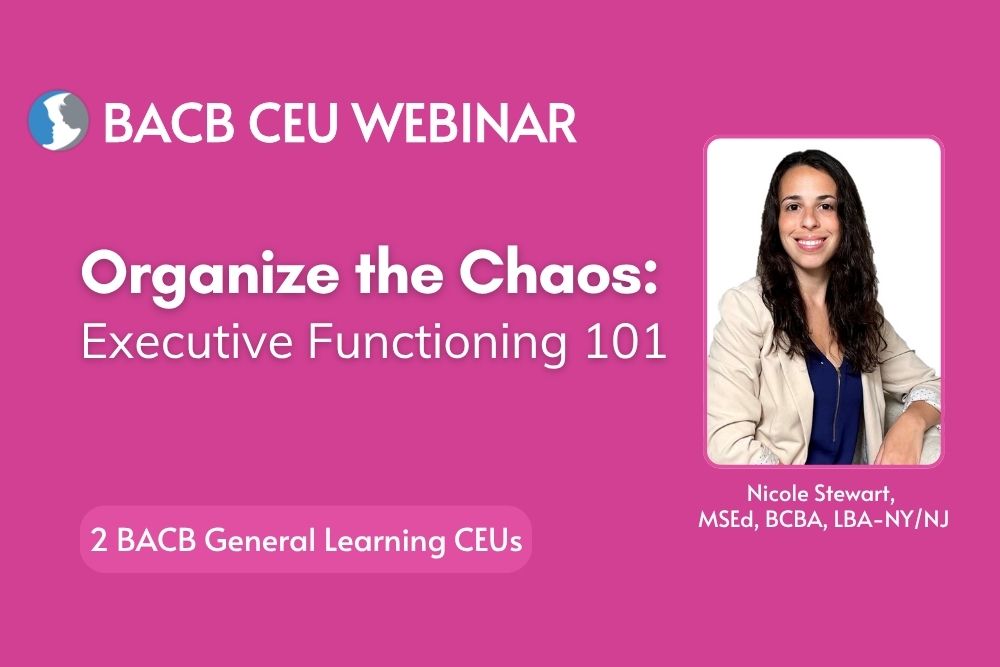
Organize the Chaos: Executive Functioning 101
“Executive Functioning” is a buzz word that is getting thrown around more and more. But what does it really mean, and how is it impacted in neurodivergent individuals? This workshop will define executive functioning broadly, helping behavior analysts and professionals understand the breadth of executive functioning deficits. Nicole L. Stewart, an expert in ADHD treatment, will go through how behavior analysts are well positioned to support those with executive functioning deficits. This workshop will give you not just concrete strategies to apply immediately, but also a conceptual framework to analyze these issues in a client-centered and neuroaffirming way.
Learning Objectives
- Participants will learn the individual skillsets that make up the term “executive functioning” as well as a developmental trajectory for how these skills develop
- Participants will identify connections between maladaptive behaviors and executive functioning deficits, and how deficits may show up in clients across different diagnoses and needs.
- Participants will discover antecedent modifications to reduce the impact executive functioning deficits have.
About Instructor
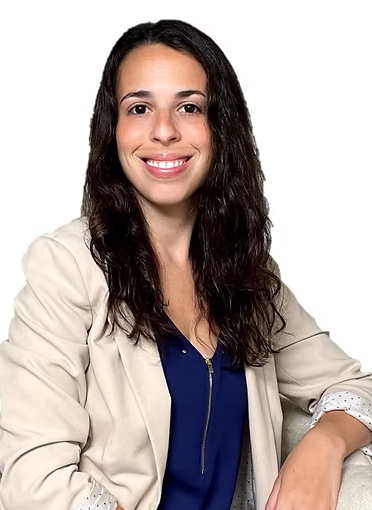
Nicole Stewart, MSEd, BCBA, is a Board Certified Behavior Analyst, educator, speaker, and parent dedicated to helping children, families, and professionals grow with confidence. Her work is grounded in the belief that people thrive when their strengths are recognized, their needs are understood, and the path forward feels achievable.
With more than 15 years of experience, Nicole has worked alongside families, educators, and professionals to support meaningful behavioral growth through compassionate, evidence-based strategies. Her goal is to help individuals feel capable, supported, and confident as they navigate challenges and pursue success.
As the parent of two neurodivergent children, Nicole brings both professional expertise and personal insight to her work. Her experiences as a mother continually shape and expand her perspective, deepening her understanding of the unique strengths and needs of the individuals and families she serves.
Outside of her professional roles, Nicole is a tea enthusiast, podcast host, and advocate for meaningful conversations and authentic connections. She is passionate about helping others discover practical strategies that work for their unique circumstances and goals.