 A recent article in the New York Times highlighted the effectiveness of ignoring negative behaviors and praising positive behaviors.
In the article, the mother noted “the results were stunning. Within a week, my son raised his hand to hit me, then dropped it and complimented me on my eyes. He’d quickly learned that he’d only get attention for positive behavior. The aggression stopped — at home. (more…)
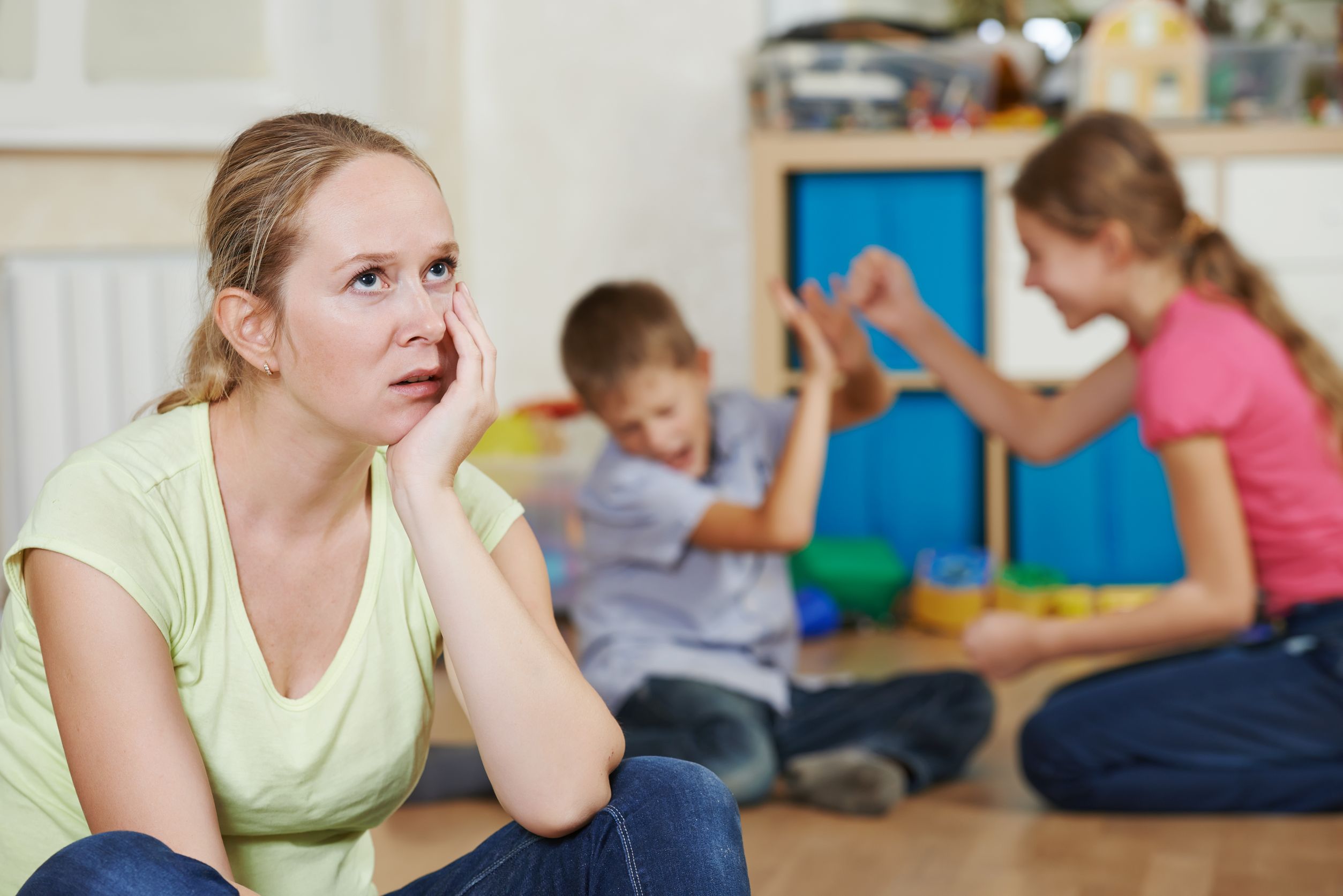 Getting your child to listen, the first time, without losing your temper or souring your relationship can be no easy task.
“Why won’t he just listen and do what I tell him?”
“Can you please just make her listen to me?”
“I just want him to do what I ask WHEN I ask him, not an hour later.” (more…)
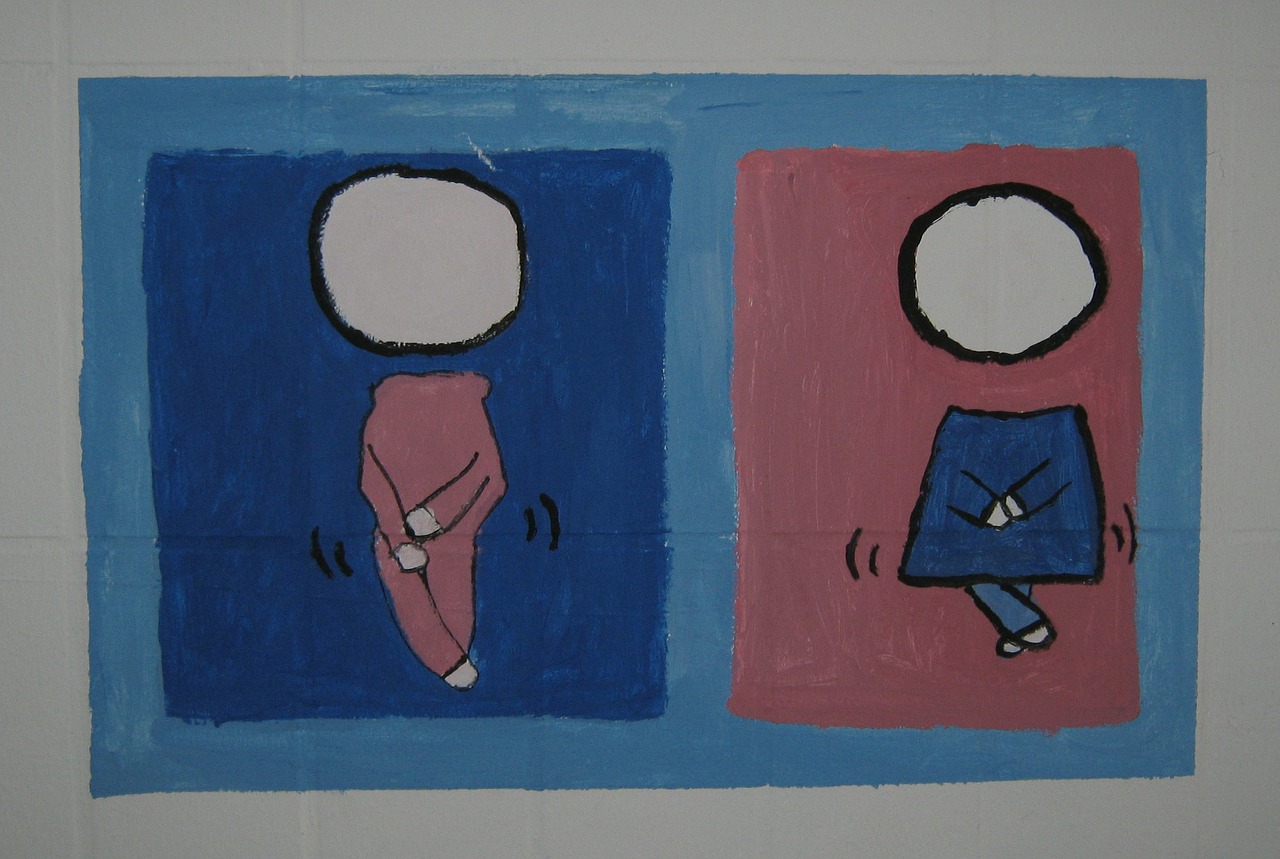 Enuresis and Encopresis are Elimination Disorders acknowledged in the DSM 5. They characterize difficulties with toileting behaviors.
Often when children first learn to use the bathroom, accidents are expected to happen. Toileting behavior that is considered clinically significant is when instances of eliminating urine and/or feces are occurring outside of the bathroom, inappropriately and frequently. Specifically, at least 1-3 times for 3 months and the child is older than 4 or 5. These behaviors can occur on their own or together.
Grief is a natural internal reaction to loss. It is the way we feel and it is a unique and personal experience. Mourning is the external piece of a loss. It is the customs, rituals and/or events we participate in after a loss occurs. (more…)
 Behavioral and social issues often place limitations and add problems to a child’s relationship with his/her friends and family.
Often, issues such as Social Anxiety Disorder and Oppositional Defiant Disorder can have detrimental effects on a child’s life, both in and outside the household. These problems are usually tough to deal with for any ordinary mother or father. If your child has behavioral issues that are placing limitations on his/her adolescent growth, it might be time to seek a professional.
According to the Anxiety and Depression Association of America, Social Anxiety Disorder is the fear of being scrutinized and judged by others in social or performance situations. (more…)
Imagine you are standing outside and you notice that the sky has darkened, the clouds seem a bit lower and the leaves are rustling in the trees. Knowing that these are all signs telling you it is going to rain, you walk a bit faster to your destination and avoid getting wet. (more…)
According to the National Institute of Mental Health, “Attention Deficit Hyperactivity Disorder (ADHD) is an extremely common childhood disorder that can continue through adolescence and adulthood.” (more…)